AWL PARTNERS WITH MANSOURA UNIVERSITY TO PROMOTE SUSTAINABLE POULTRY PRODUCTION IN EGYPT
Introduction
The Animal Welfare League (AWL), continuing its mission to equip egg producers with best practices in animal welfare and to expand a continent-wide network for cage-free egg sourcing, convened a workshop in Mansoura, Egypt. Following earlier editions in South Africa and Morocco, the gathering extended AWL's regional footprint, bringing technical training, more sustainable farming practices, and partnership opportunities to Egyptian producers while reinforcing its commitment to advancing farm animal welfare across Africa.
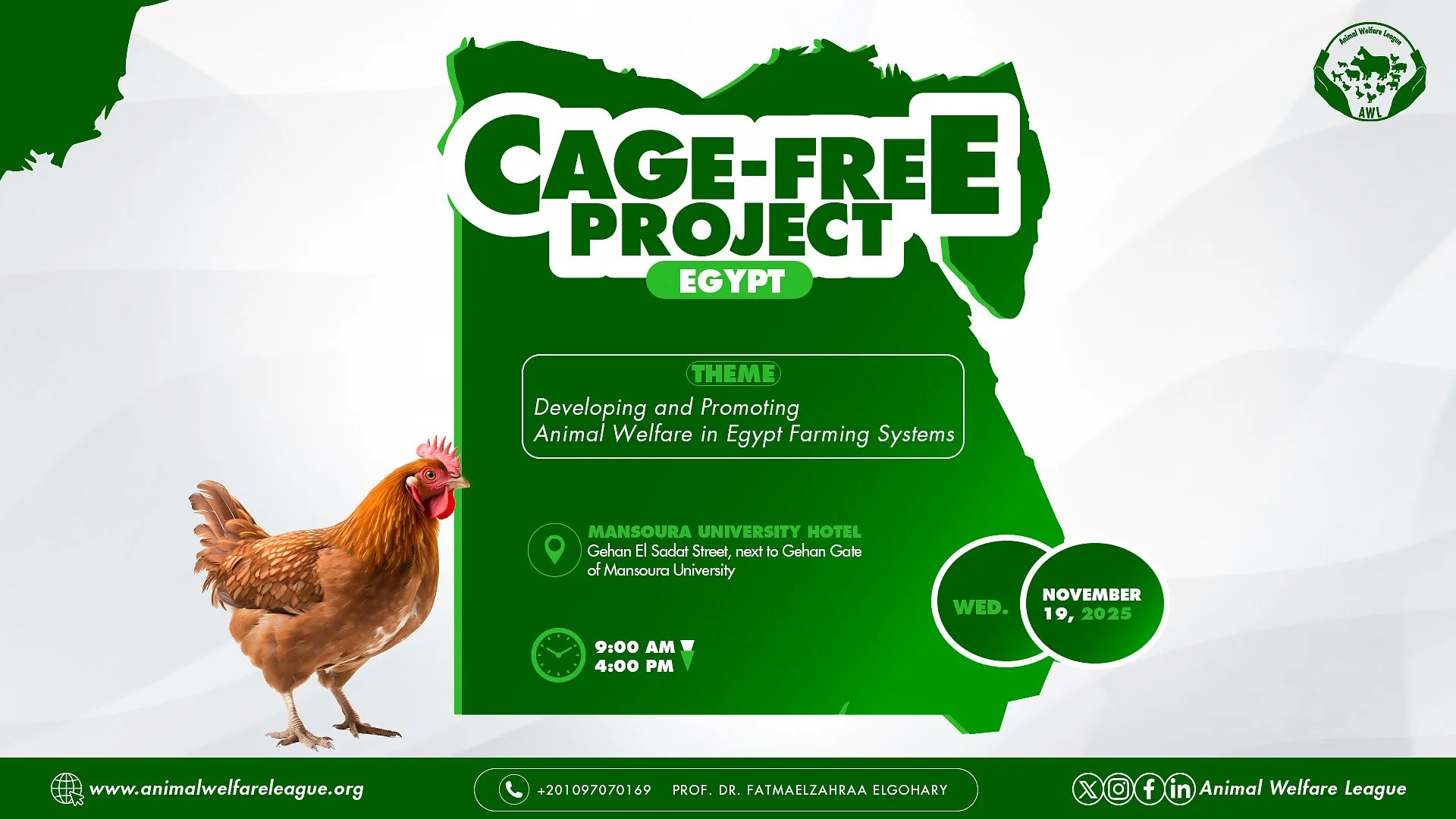
Themed "Free-Range Poultry Farming: Benefits and Challenges," the event was held on November 19, 2025, at the Mansoura University Hotel in Mansoura, convening experts from Mansoura University, institutional representatives, researchers, layer-poultry farmers, academics, and members of the media.
The workshop set out to highlight the welfare and productivity benefits of cage-free systems, address the health, biosecurity, and hygiene challenges of free-range farming, and share practical management protocols for disease control. Equally central were its aims to foster collaboration between producers, veterinarians, and officials, promote labelling initiatives and short supply chains, and strengthen the local cage-free sector through networking and partnership.
Poultry is one of the most important components of Egyptian agriculture and the primary affordable animal protein source for much of the population. The poultry sector in Egypt continues to stand out as the leading producer on the African continent in 2025, with production in recent years estimated in the range of 1.7 to 1.8 million metric tonnes (mmt), and industry forecasts projecting further growth toward approximately 1.9 mmt by 2028 (Poultry World, 2026). According to a report by Sebastiane Ebatamehi from The African Exponent, consumption growth in Egypt has been among the fastest in Africa. Recent reports indicate poultry meat consumption has grown at a compound annual growth rate (CAGR) of approximately 5.7% over the last decade, outpacing many peer nations. The per capita consumption of chicken in Egypt is estimated at about 24 kg per person per year, placing it high among African countries. Egg consumption is robust, and broiler production reportedly covers nearly 97% of national demand, according to ministry data (Poultry World, 2026).
Beyond these headline production figures, the sector splits broadly into broiler production (meat) and layer production (table eggs). Battery cages are overwhelmingly associated with the layer segment, with broilers generally raised on floor/litter systems rather than cages. While the battery cage system is the standard for commercial layer farming in Egypt, consumer perception tells a more nuanced story. Many Egyptians regard baladi eggs, often from backyard, cage-free hens, as more natural, tastier, and healthier, and are willing to pay a premium for them.
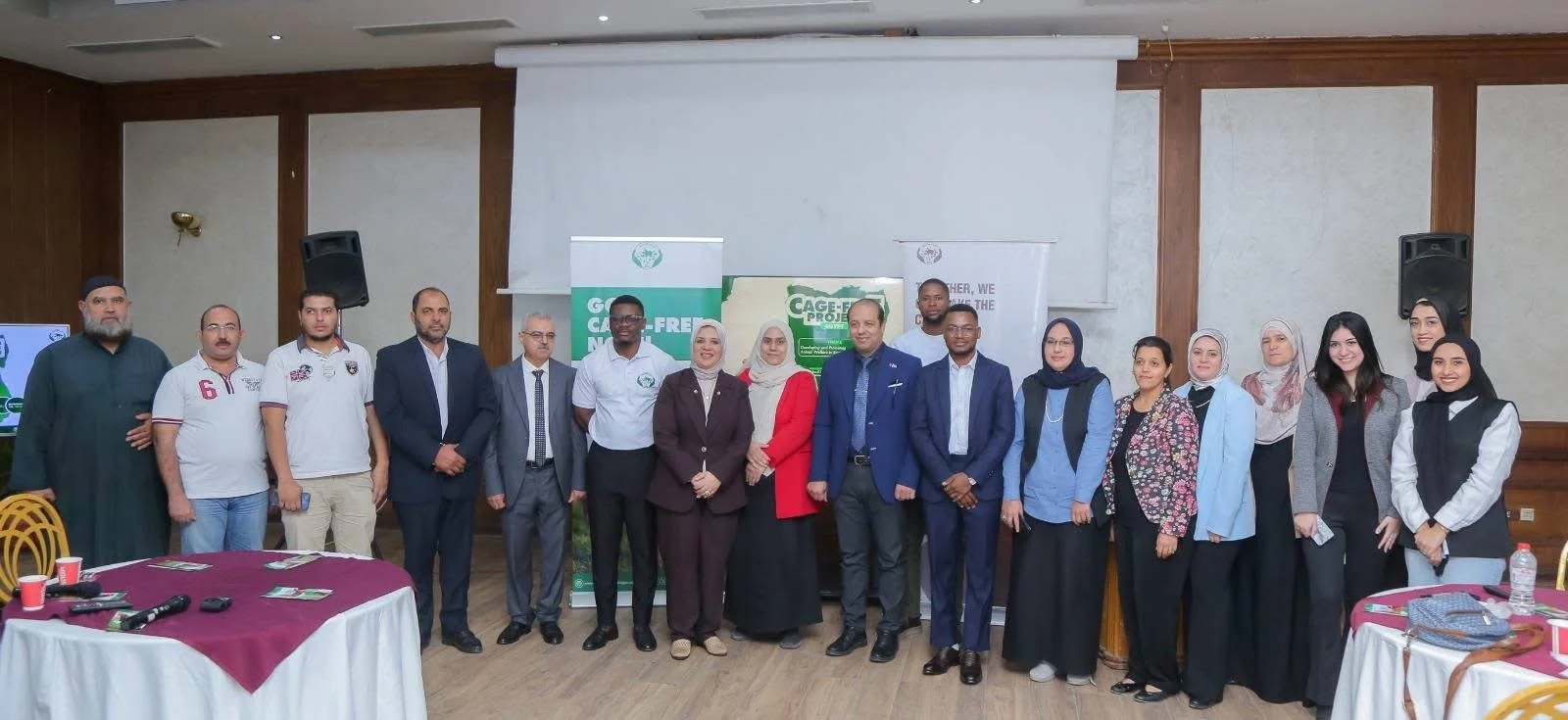
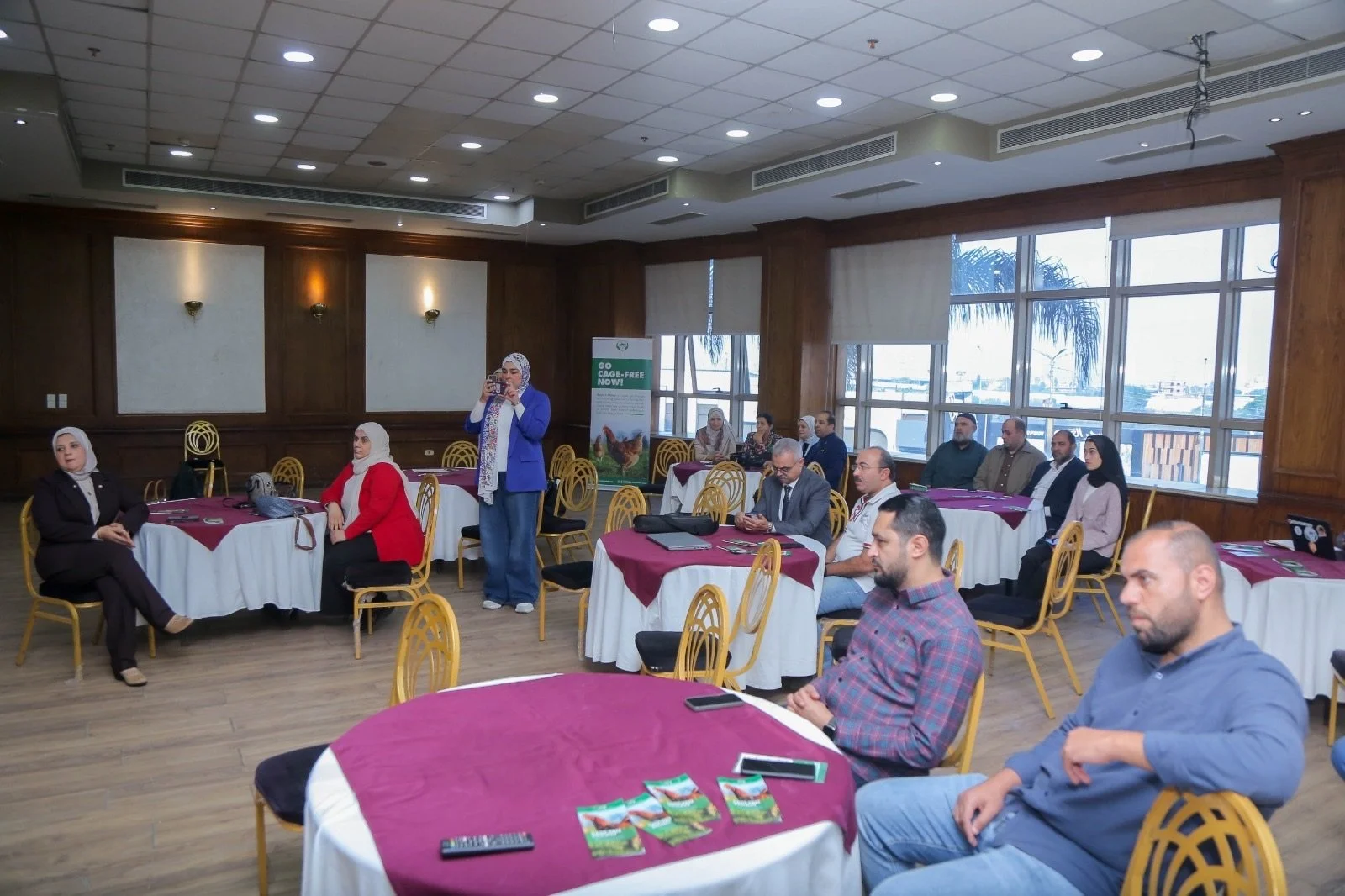
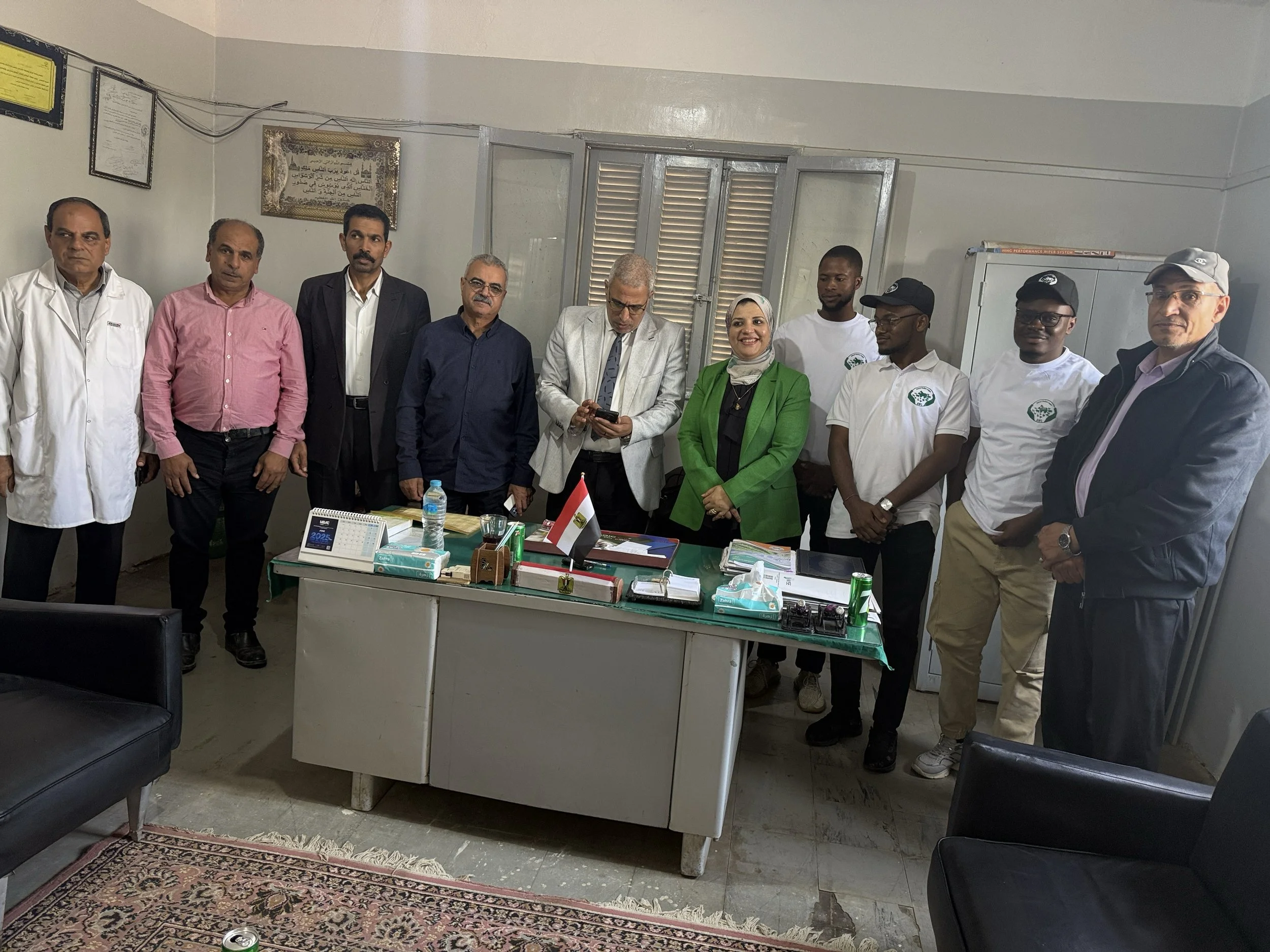
The AWL team with poultry farmers, guest speakers, and key industry experts at the Egypt workshop
Key Moments From the Workshop
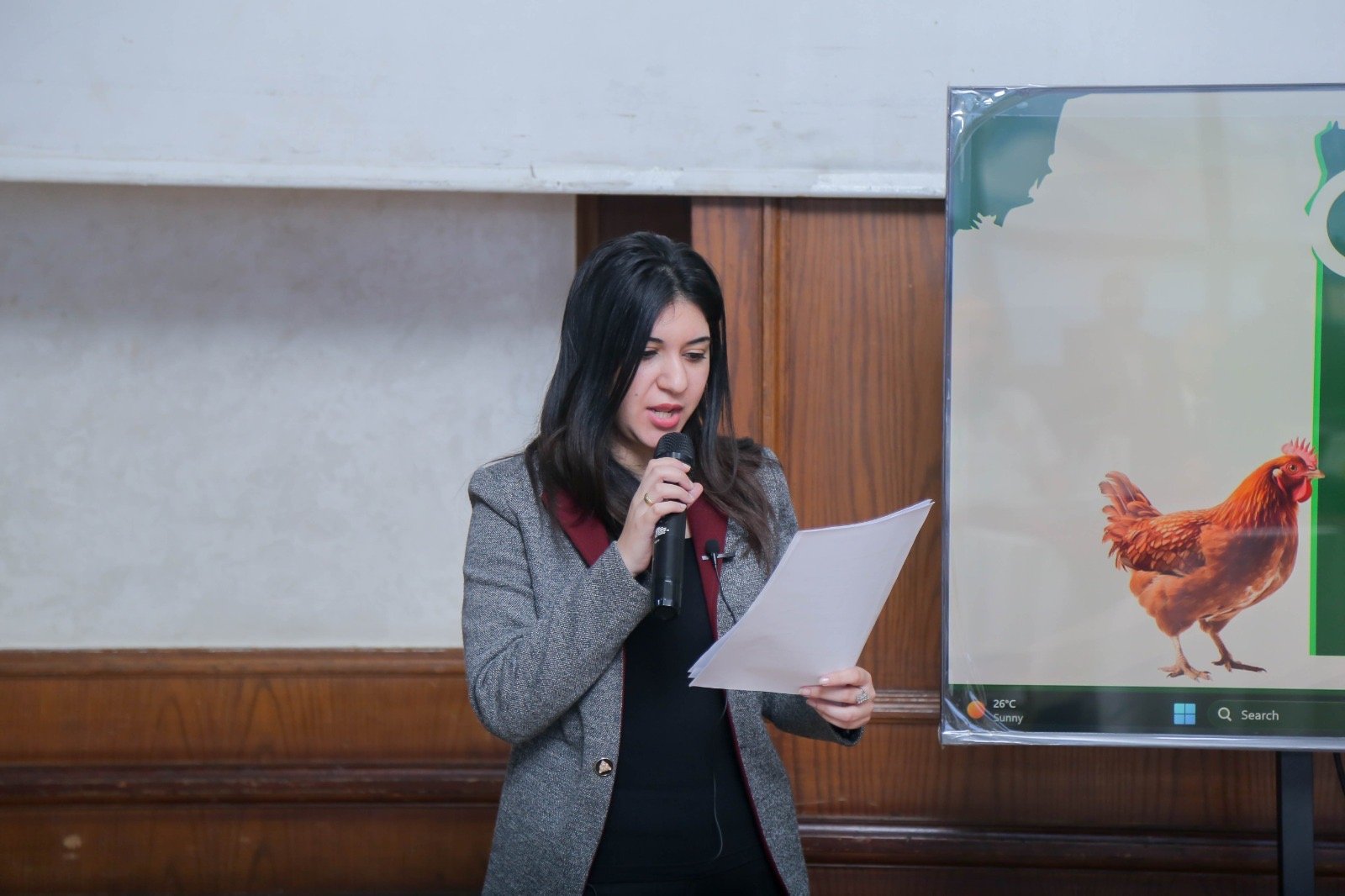
Prof. Fatma Elgohary opened the event with a welcome and opening address, with official remarks delivered on behalf of the Faculty of Veterinary Medicine, Mansoura University.
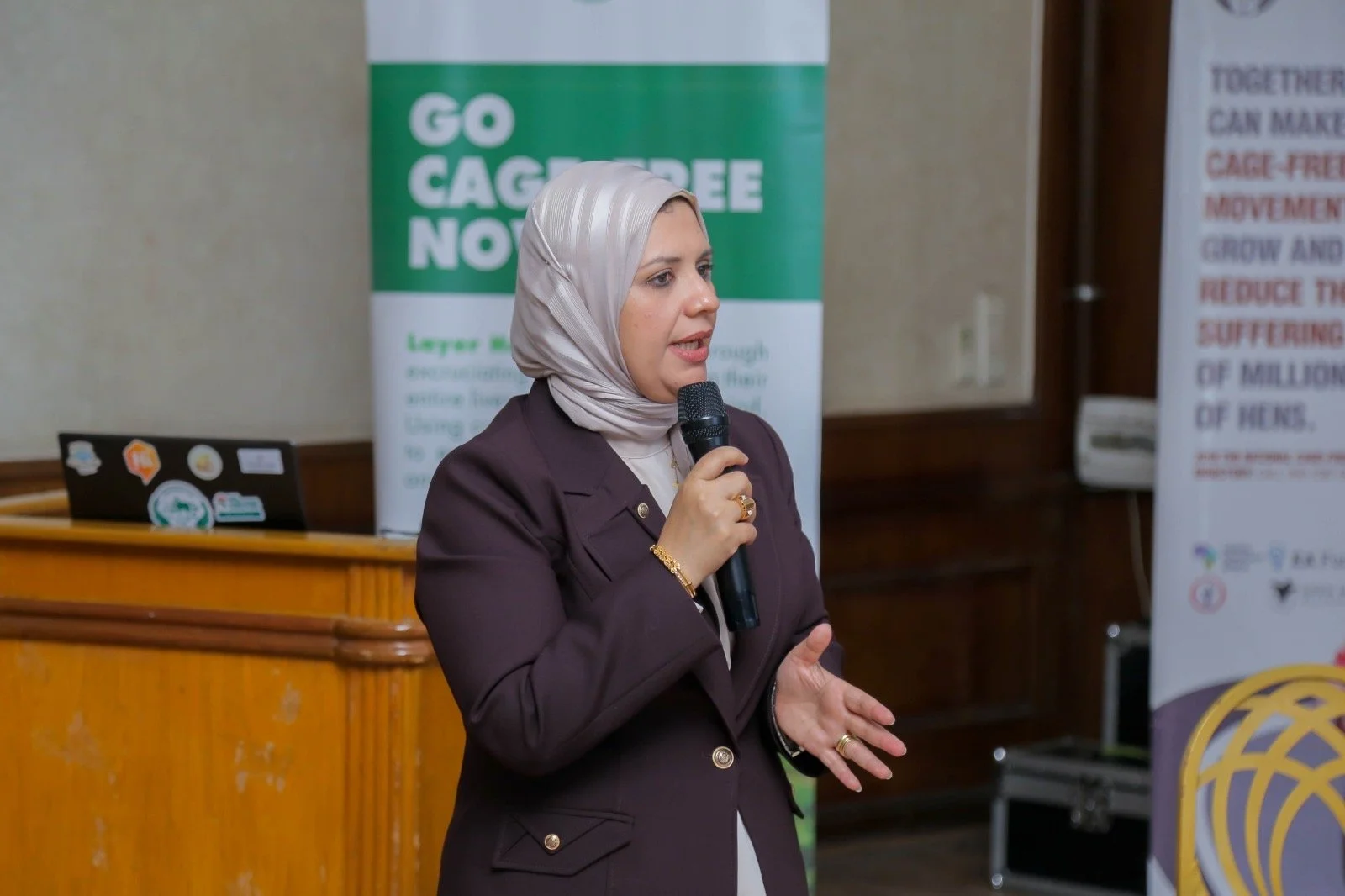
Welcome address by Prof. Fatma Elgohary
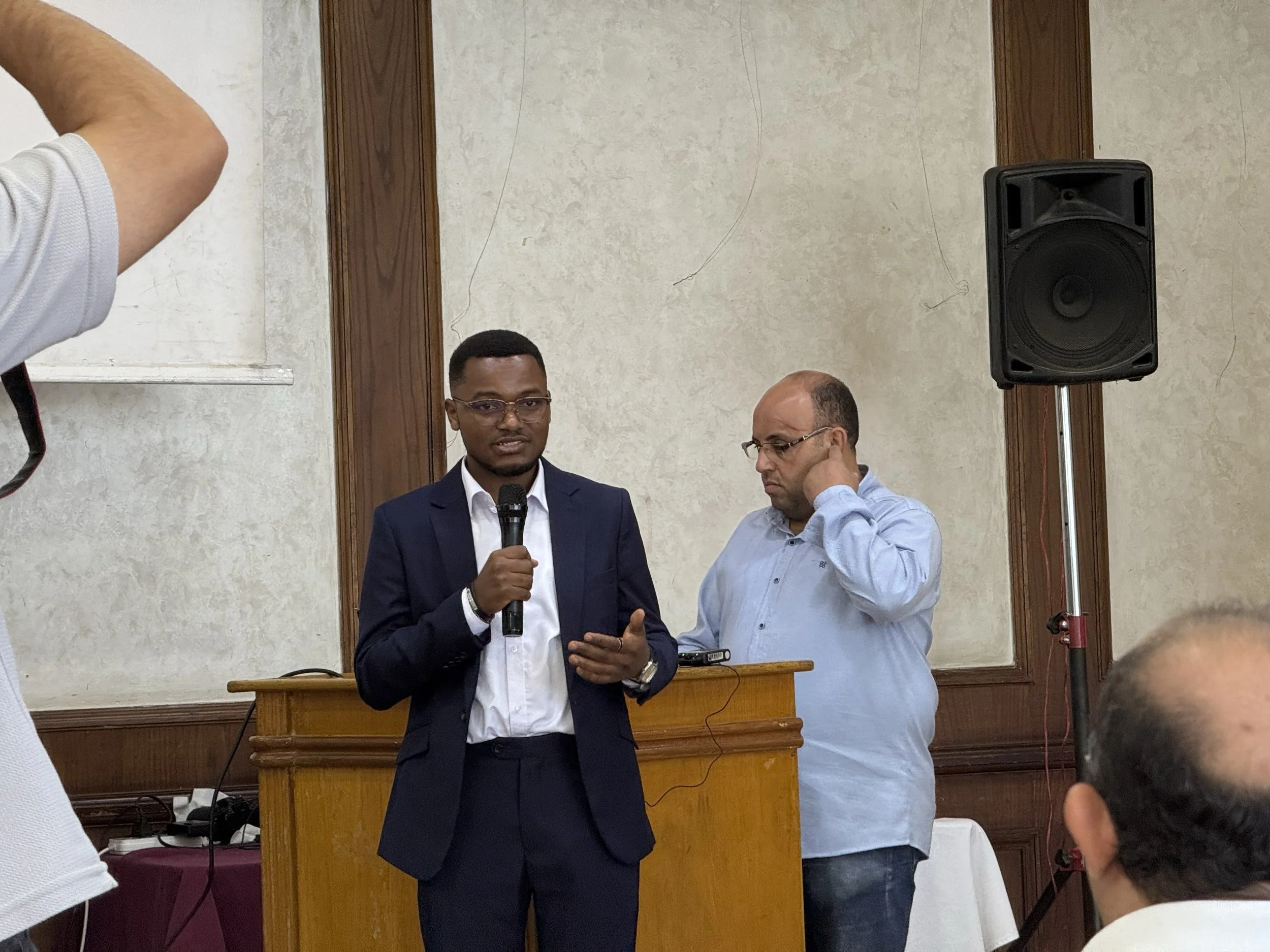
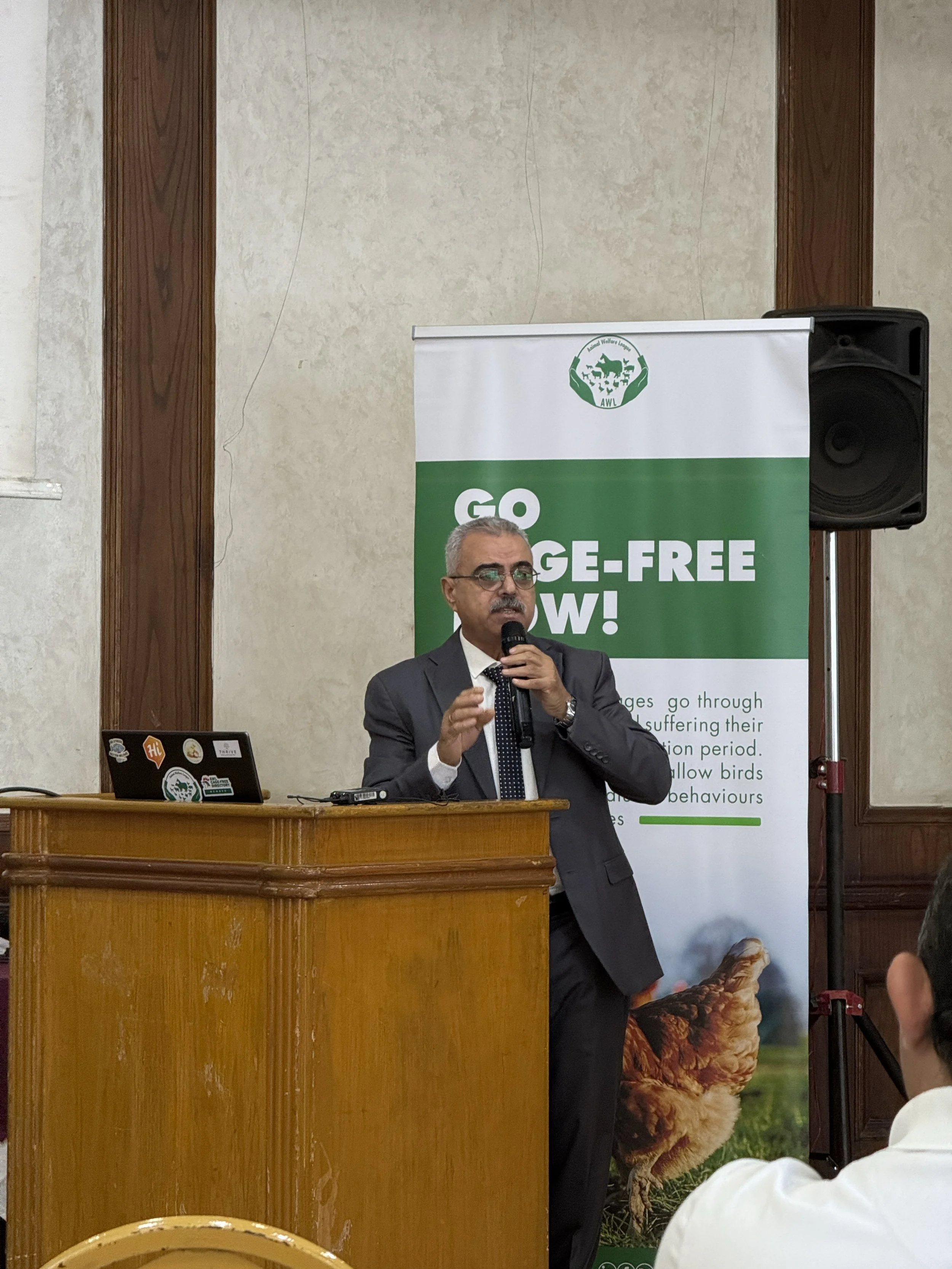
AWL’s communications lead, Dr. Emmanuel Nyamekye, in his keynote address described the Global Cage-Free initiative as "an emerging and rapidly expanding movement in egg production" that "prioritizes the welfare and overall health of chickens." He contrasted conventional systems, which confine hens to "small metal cages where they are denied the space to express their natural behaviors such as moving around, dust bathing, flapping their wings, perching," with cage-free farming, which he said positions farms "for a sustainable and competitive future."
Stressing that the shift was not driven by compassion alone, Dr. Nyamekye noted that "consumers are increasingly demanding higher animal welfare and food quality standards," and pointed to major retailer Majid Al Futtaim, with 375 stores across 30 countries in the Middle East and Africa, which has "committed to go 100% cage-free for private label shell eggs across all markets." He described Egypt, already "a key agricultural leader on the African continent with strong farmers, rich land, and access to growing local and export markets," as facing "a huge opportunity," and pledged AWL's support through training, technical advice, market connections, and research.
"Cage-free is more than a farming method. It is a movement," he concluded. "It's about building a food system that is not only productive, but also humane, sustainable, and respected globally… a future that is good for animals, good for farmers, and good for Africa."
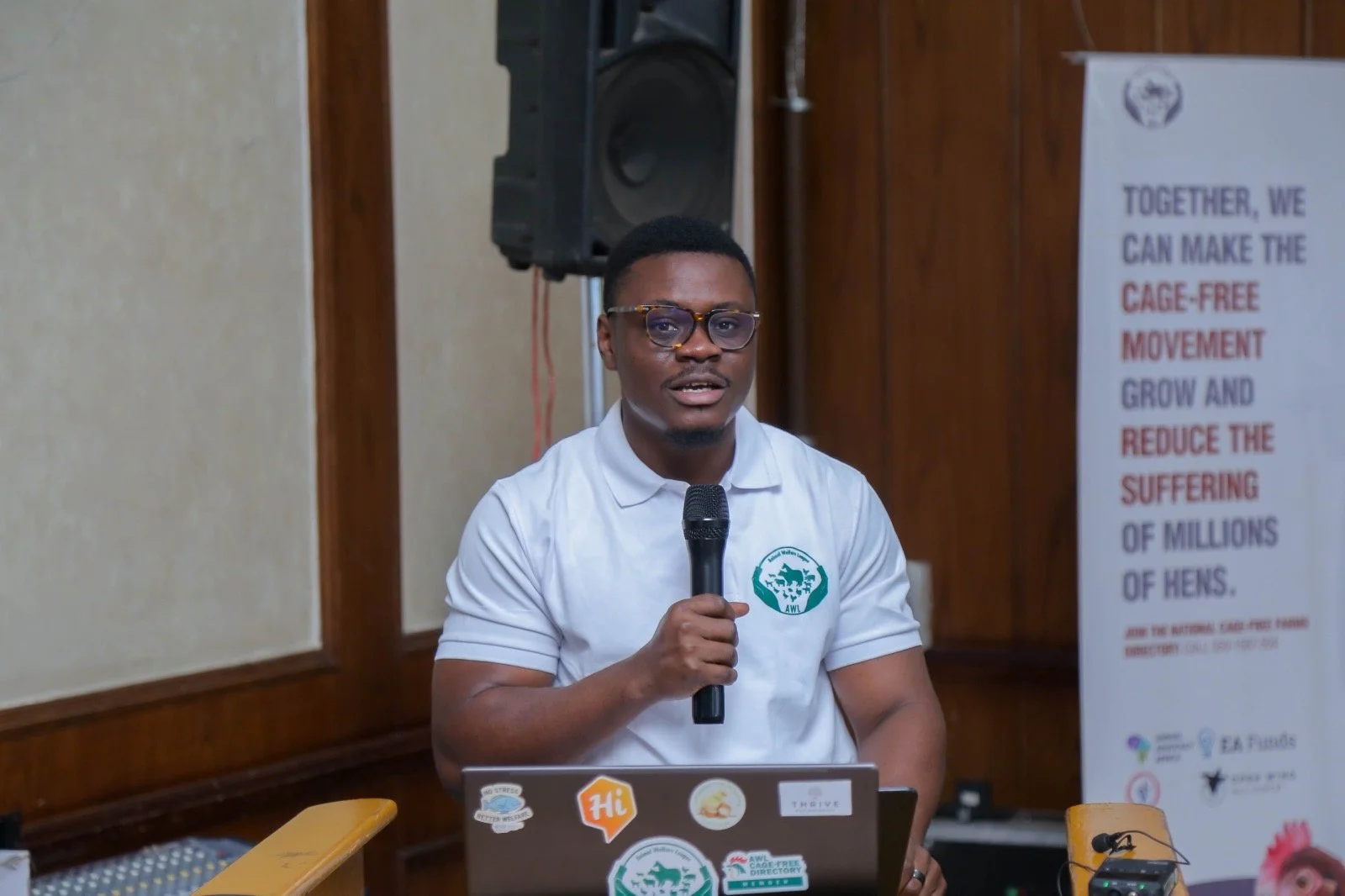
Keynote Address by the AWL’s Communications Lead
A series of technical presentations followed:
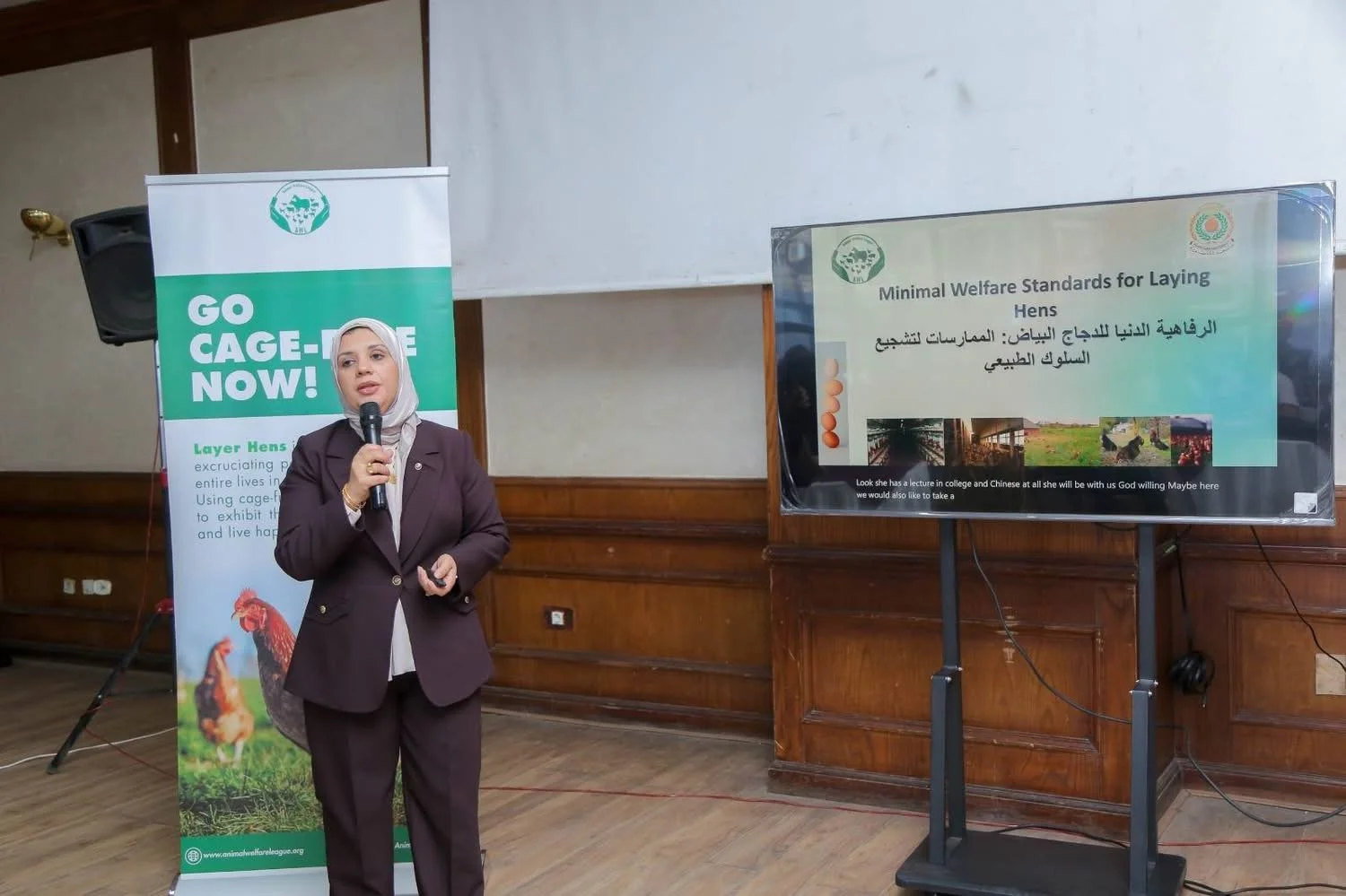
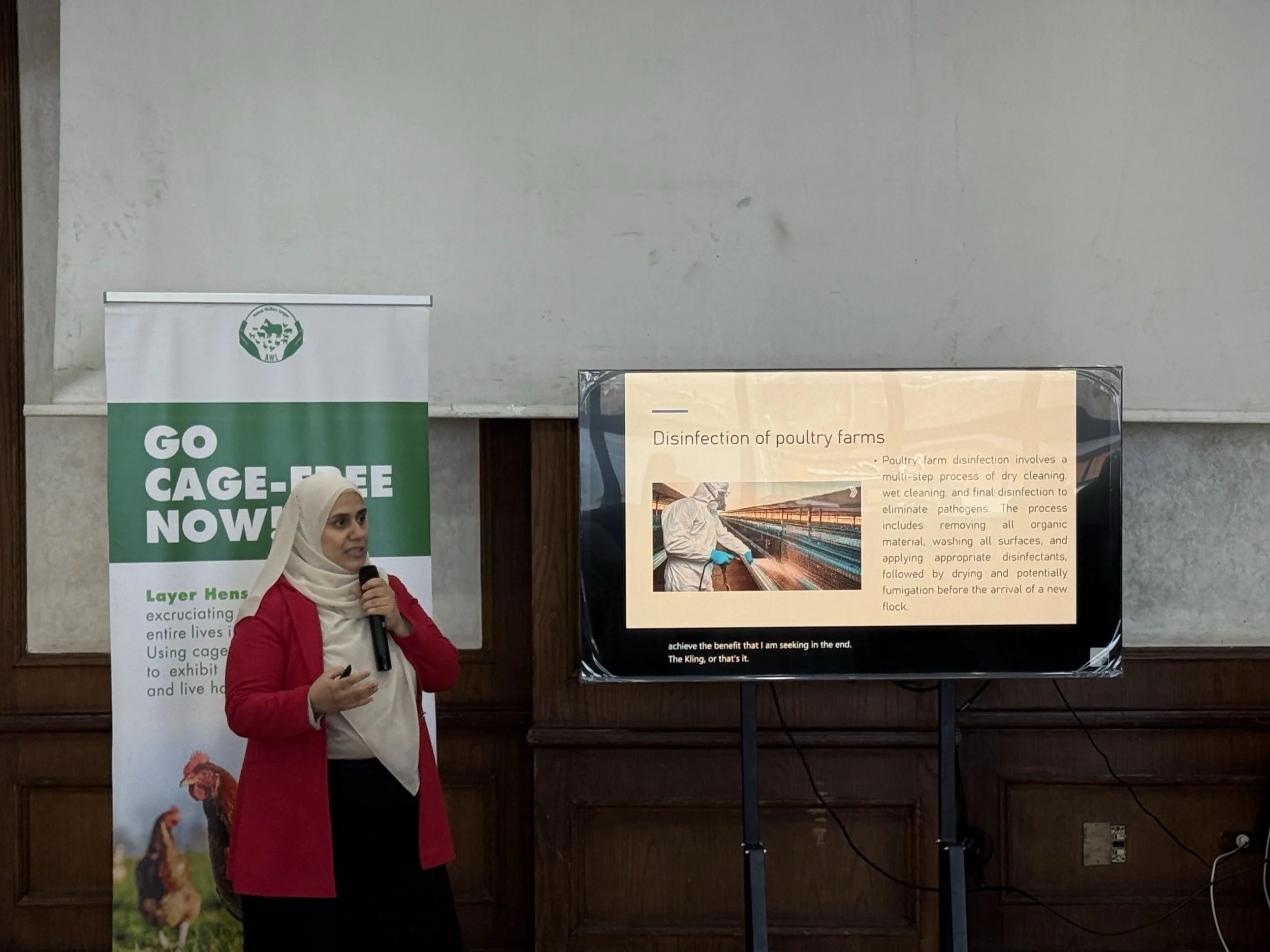
Dr. Ahmed Elsebay outlined the efforts of the Dakahlia Veterinary Medicine Directorate in preserving poultry wealth, while Prof. Fatma Elgohary addressed minimum welfare standards and, separately, the implementation of robust biosecurity in cage-free systems. Prof. Kamel Abou-Elazem examined the effect of different poultry housing types on disease status, Dr. Basma Moharam presented cleaning and disinfection (C&D) protocols for superior hygiene, and Dr. Asmaa Saad explored "The Virtuous Cycle: Optimizing Productivity Through Welfare in Cage-Free Poultry."
The sessions generated clear recommendations:
producers were encouraged to adopt phased transitions to cage-free systems beginning with pilot projects, to treat documented biosecurity and C&D protocols as non-negotiable, and to invest in staff training. Veterinary authorities and syndicates were urged to develop national technical guidelines, enhance field extension services, and consider incentives supporting high-welfare production, while industry and academia were called upon to foster research partnerships and knowledge-sharing platforms.
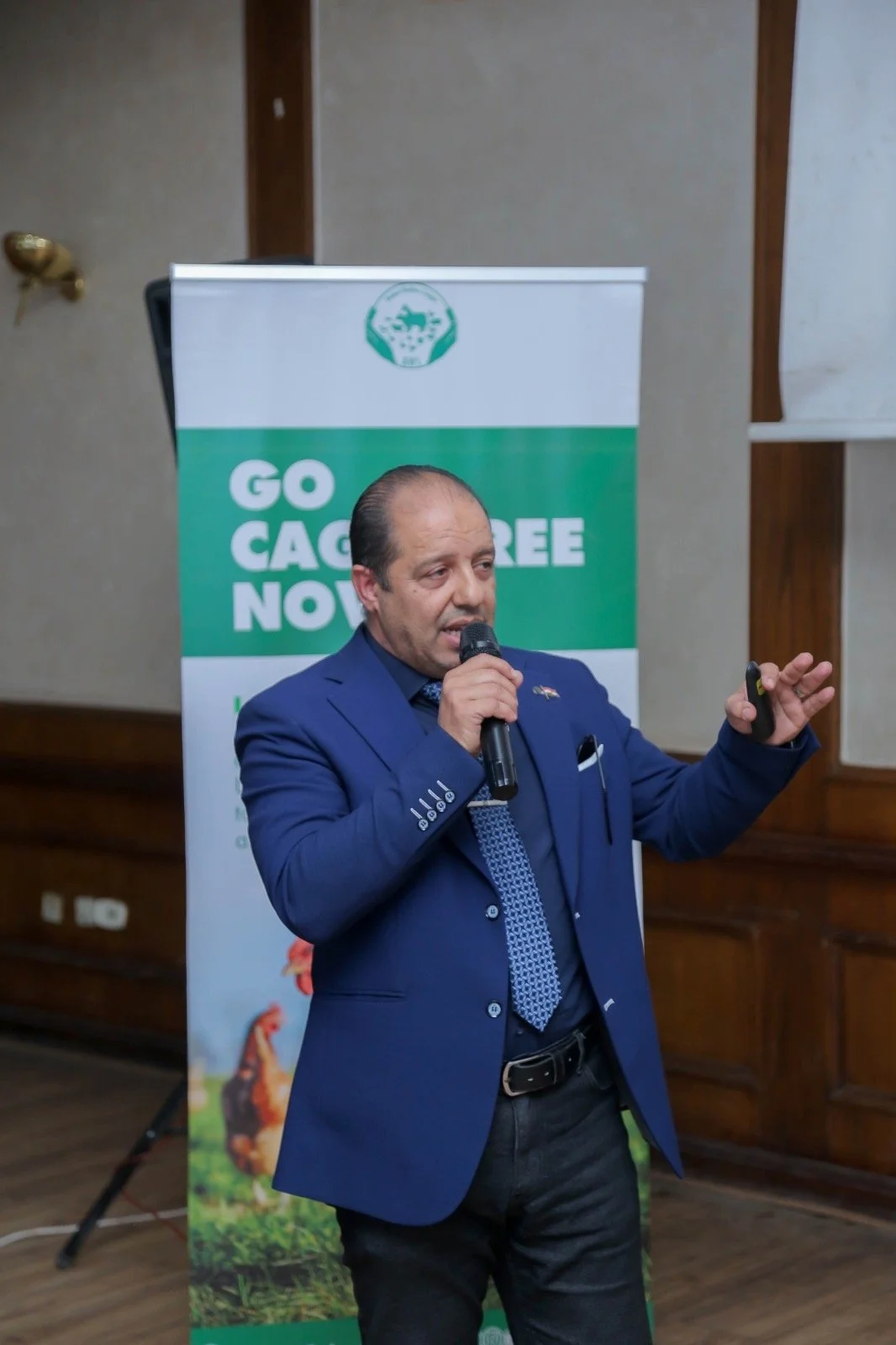
Signing of Memorandum of Understanding (MOU)
Dr. Richard Dogbatse led the signing of a Memorandum of Understanding with attending producers, formalizing their commitment to cage-free and free-range farming and their willingness to collaborate with AWL. Stakeholders agreed to convert the partnership into a permanent working group to monitor progress, address barriers, and align efforts across government, producers, and NGOs, alongside the development of consumer awareness campaigns to build market demand for welfare-based poultry products.
Next Steps
An online meeting will be scheduled to structure academic collaborations, including doctoral research topics and joint publications. A multi-stakeholder national monitoring committee will be established to pilot the adoption of floor-based and free-range eggs by the hospitality, restaurant, and institutional (HRI) sector. AWL will also engage with FISA to design and implement a medium-term roadmap for the progressive establishment of alternative laying-hen farming systems, and to co-organize a second edition of the workshop in 2026.