


SOUTH AFRICA
PROFILE
The egg industry plays a vital role in South Africa’s agricultural economy, producing around 7.8 billion eggs annually from an estimated 27 million laying hens. While conventional cage systems dominate production—accounting for 95% in 2023—there is a growing consumer shift toward free-range and cage-free eggs driven by rising awareness of animal welfare and sustainability. South African consumers increasingly value how eggs are produced, with many favoring ethically farmed options despite price being a key factor.
Does any of that resonate with you? Help millions of hens in one click here !
The industry spans a wide range of farm sizes, from small family-run operations to large-scale producers. While challenges such as avian influenza have impacted supply, there is significant opportunity to expand humane production systems and meet the evolving demands of conscious consumers.
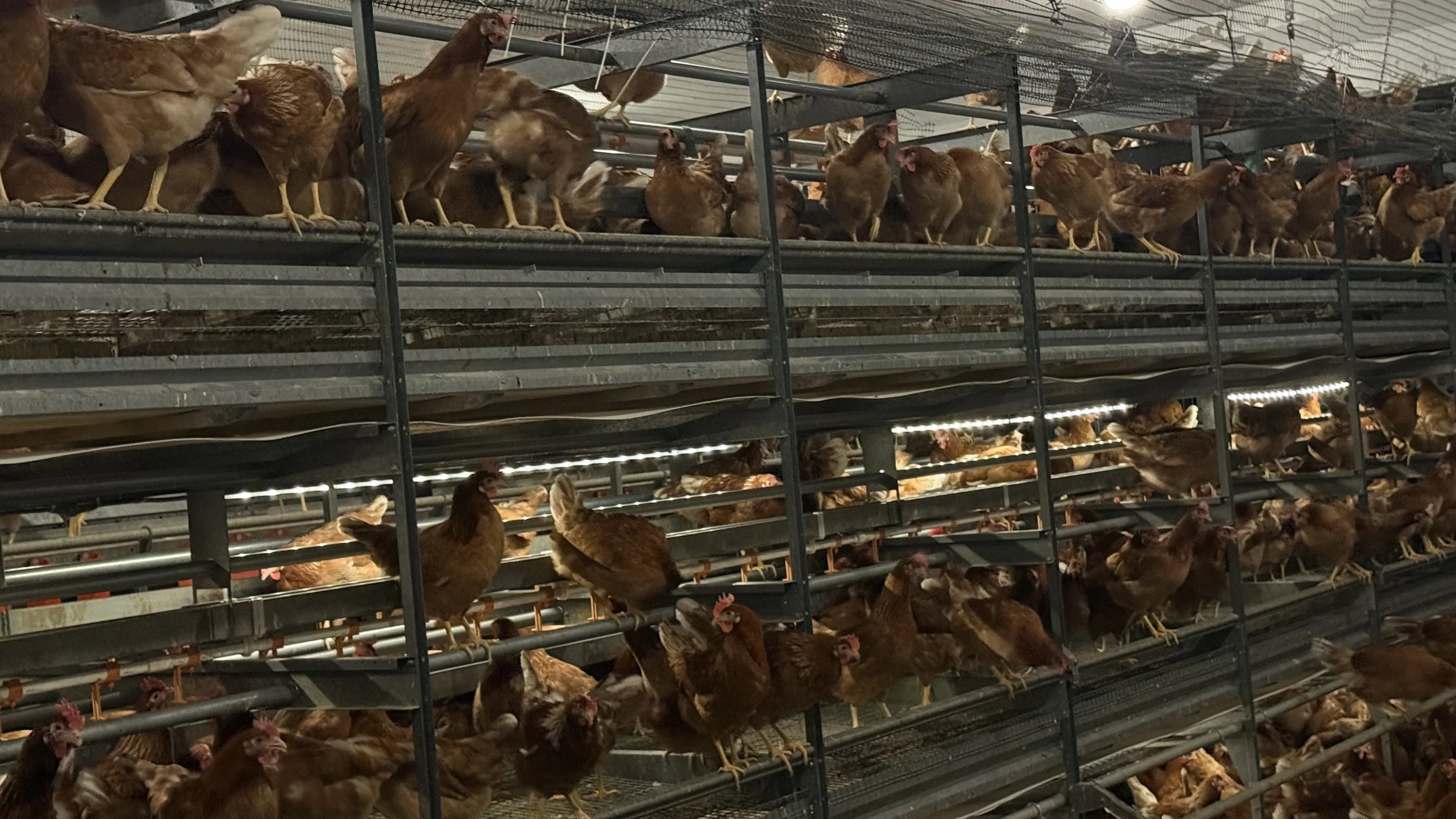
OUR WORK

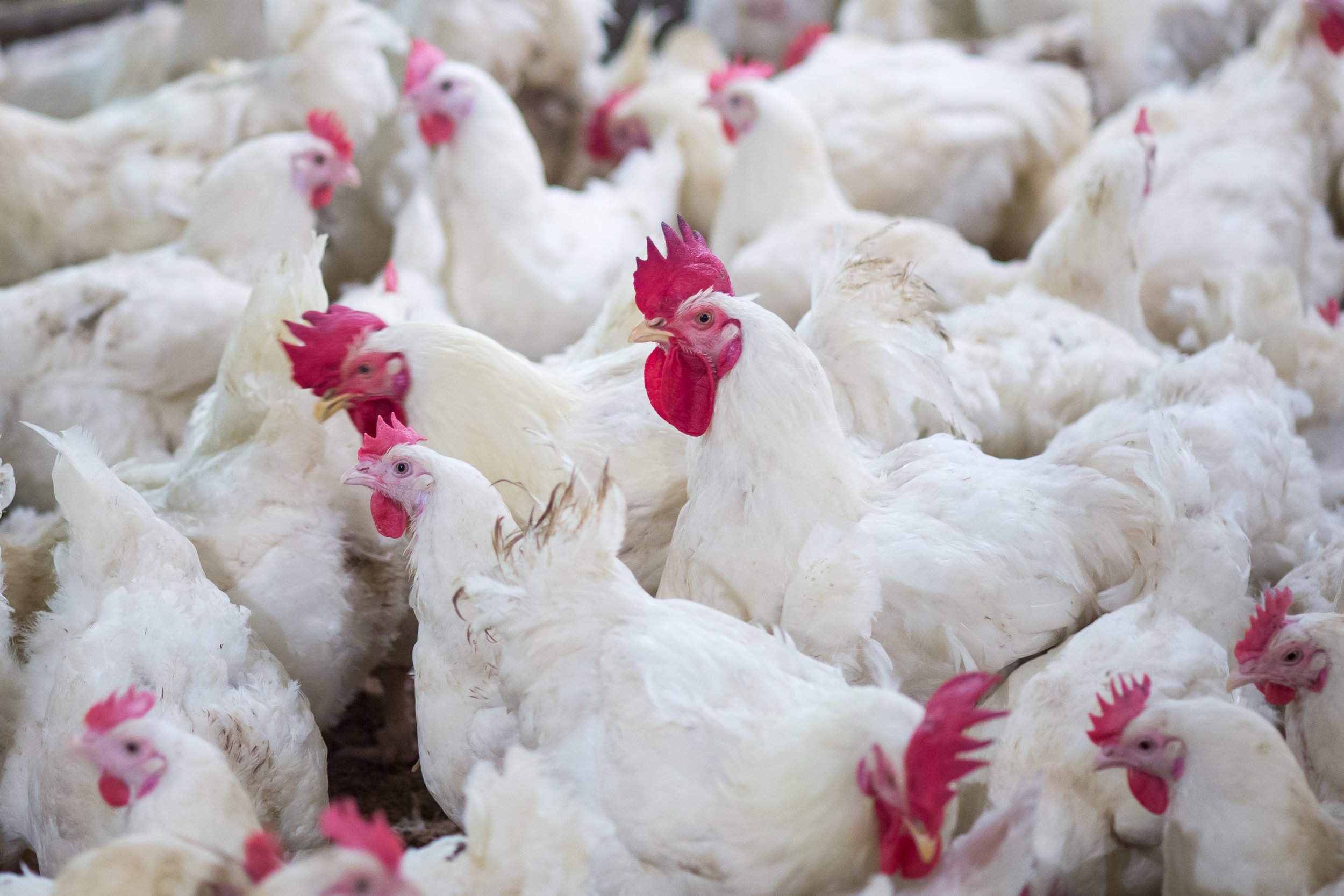


Cage-Free Directory, Supporting Farm Certifications and Training for Producers.
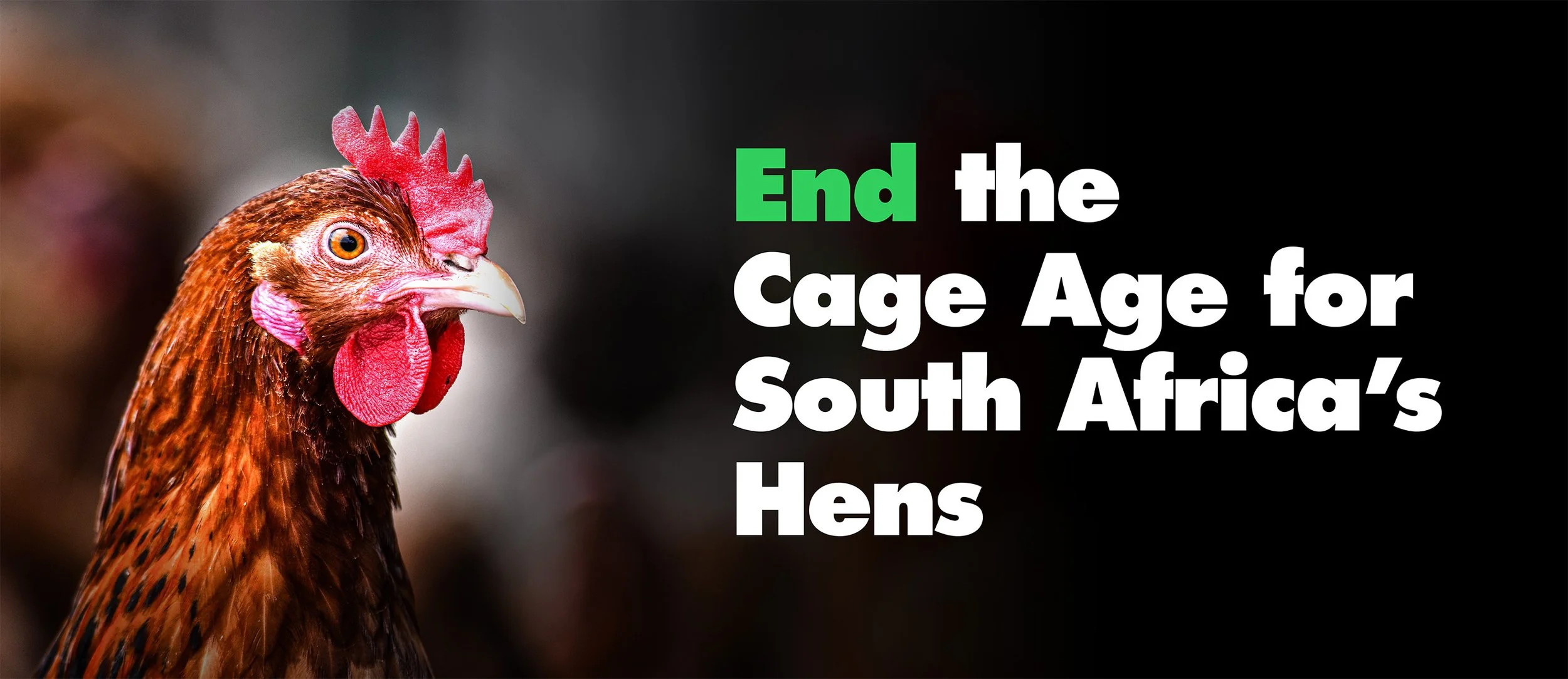
We engage retailers, hospitality companies, restaurants, food manufacturers, and multinational businesses to adopt cage-free sourcing policies and implement global commitments in South Africa, promoting responsible procurement and higher animal welfare standards.

Fill out our bespoke Transitioning to Cage-Free in Africa consulting form.
Get Involved
Whether you are a retailer, hotel, restaurant, food manufacturer, egg producer, supplier, researcher, or industry stakeholder, we welcome the opportunity to work together to advance responsible egg sourcing in South Africa.
To learn more about our work or explore partnership opportunities, please get in touch with our South Africa team.
Meet Our South Africa Representative

NATASHER JULIUS HOVE
Corporate Campaigns Coordinator - South Africa | nate@animalwarfareleague.org
Natasher Julius Hove is an impact communications strategist with over seven years' experience across conservation, sport for development, and corporate sustainability. At Animal Welfare League, he leads corporate campaigns in South Africa, positioning farm animal welfare within mainstream sustainability and responsible sourcing agendas.